



Union Halls
Address: Various
Architect: Various
Year: c.1880-1970s
Style: Various
Neighborhood: Various
Overview
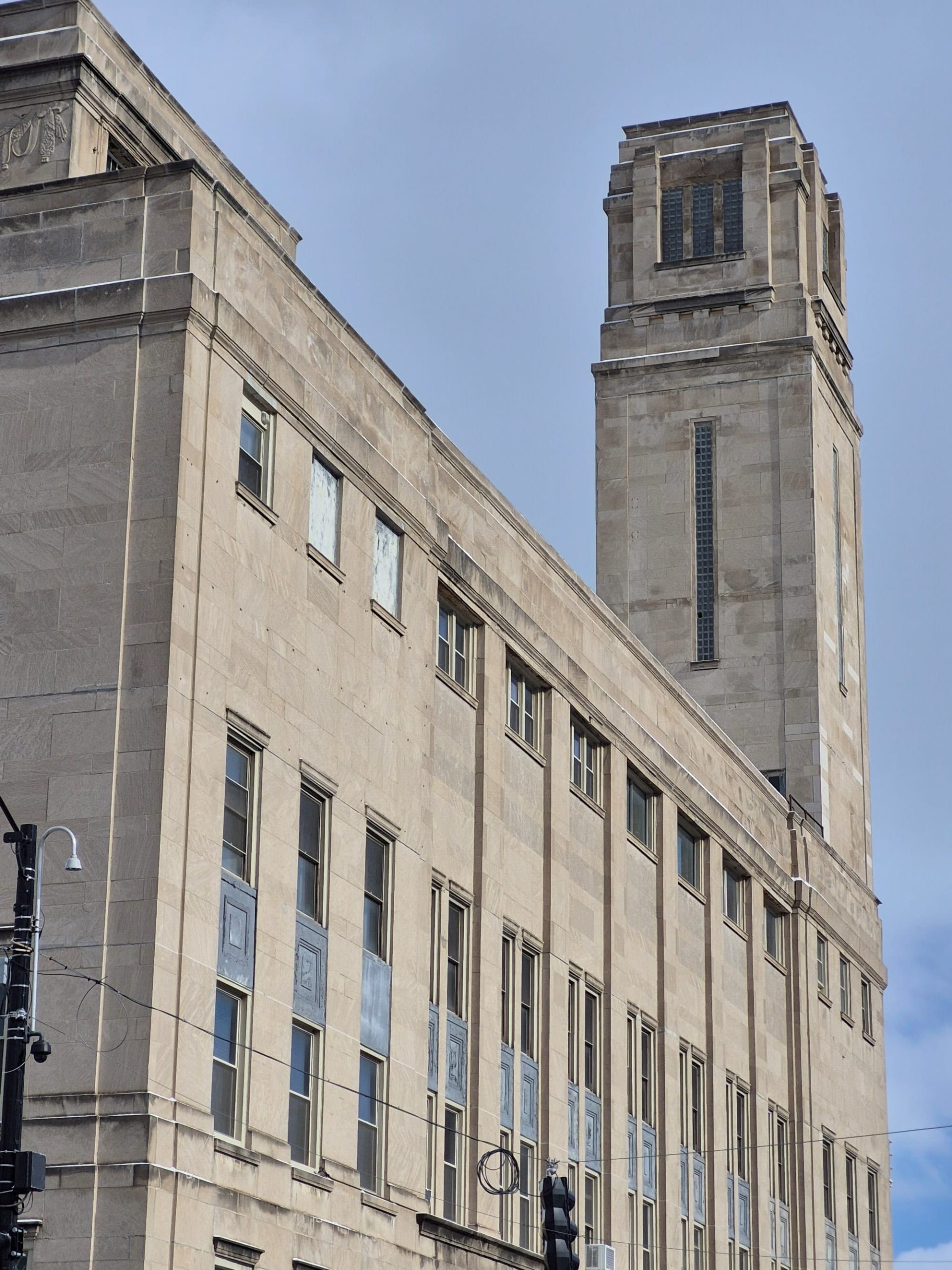
Chicago’s union history originates from the rapid industrialization of the late 19th century, when the city was buzzing with railroads, stockyards, manufacturing, steel production, printing and shipping. Events such as the 1886 Haymarket Affair, the 1894 Pullman Strike and the 1937 Memorial Day Massacre, along with increasing worker demands for better rights, inspired a growing number of labor organizations to be established in Chicago in the early to mid-20th century. Many built their own union halls on Chicago’s near-west side. The neighborhood was home to over 30 labor groups by the mid-20th century and became known as “Union Row.” There are some on the south side and far-south side as well due to their proximity to the Union Stock Yards, the Pullman works and the steel mills.
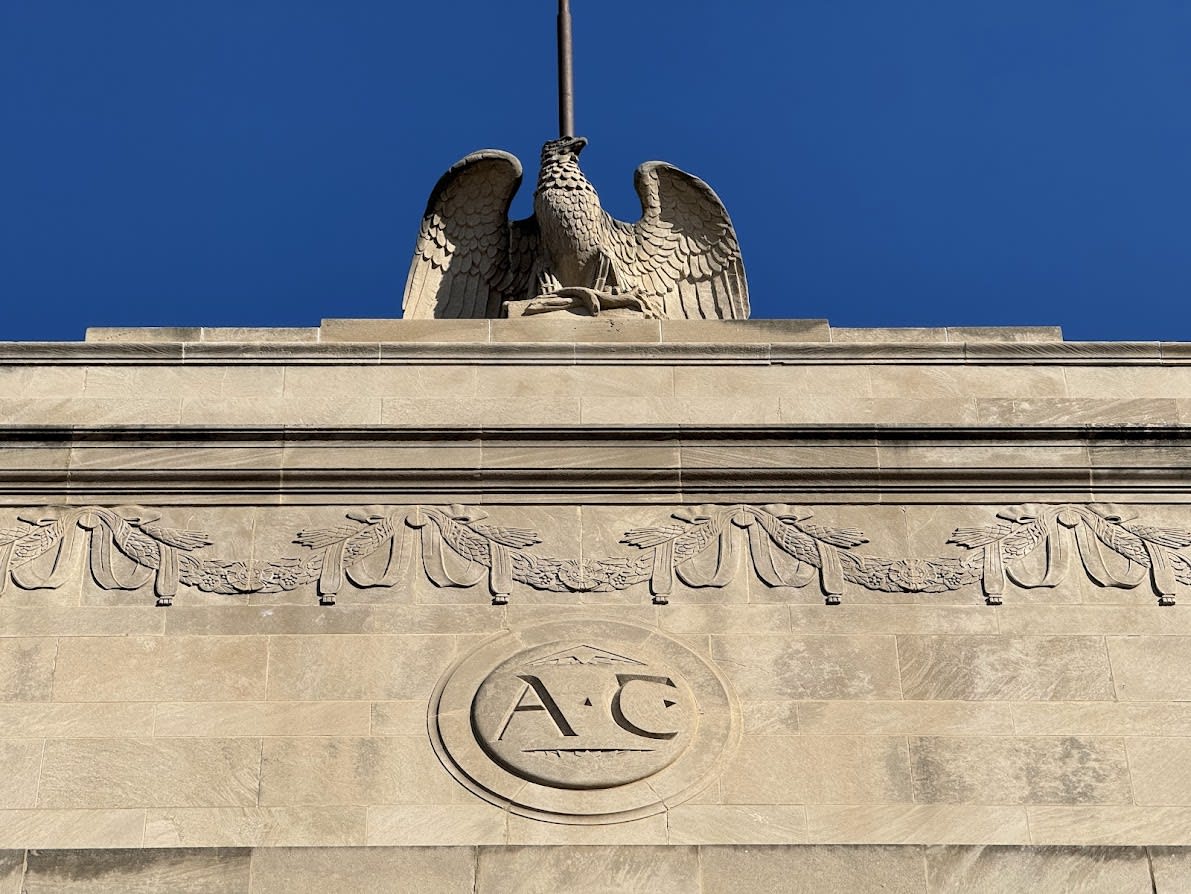
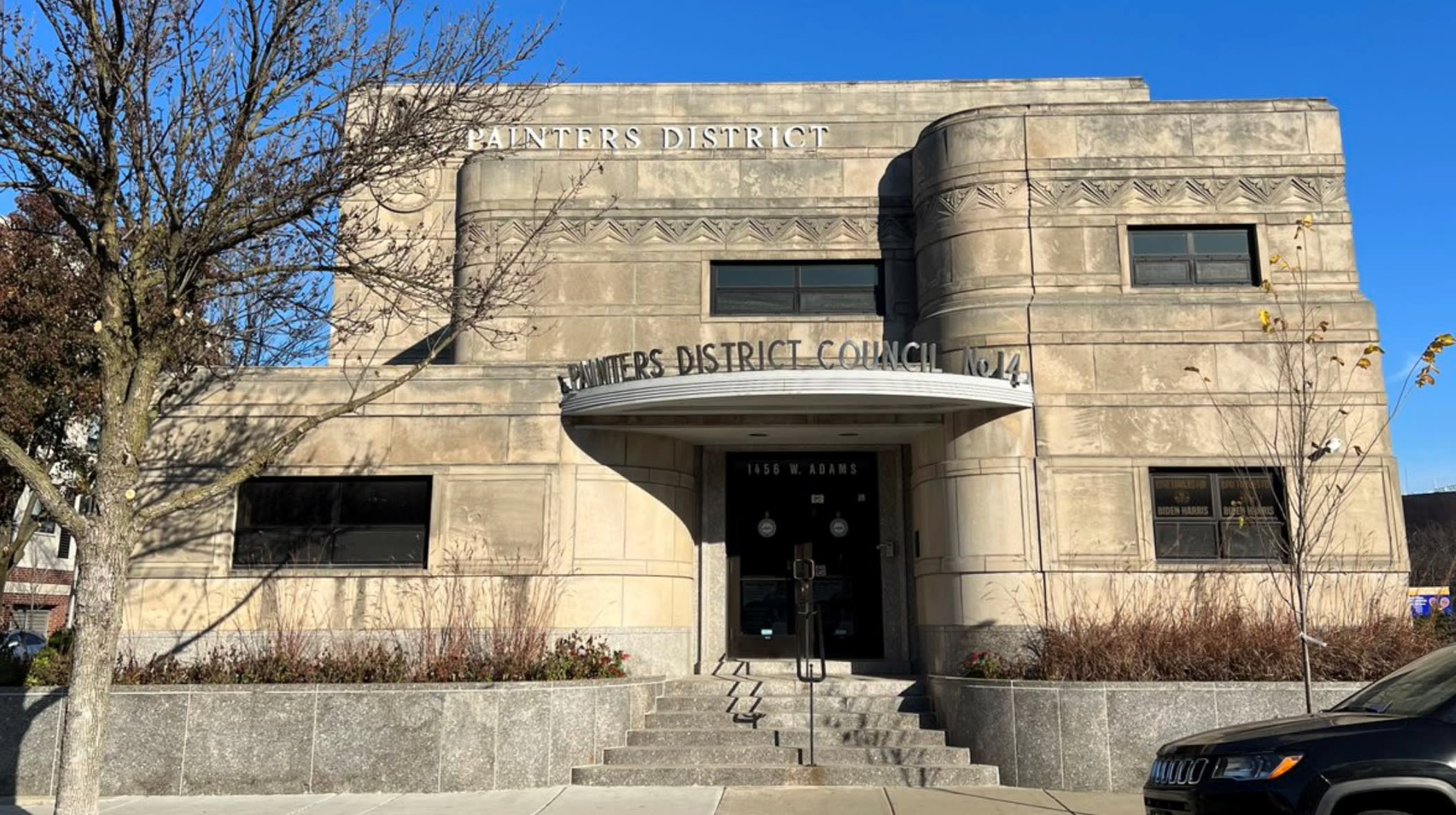
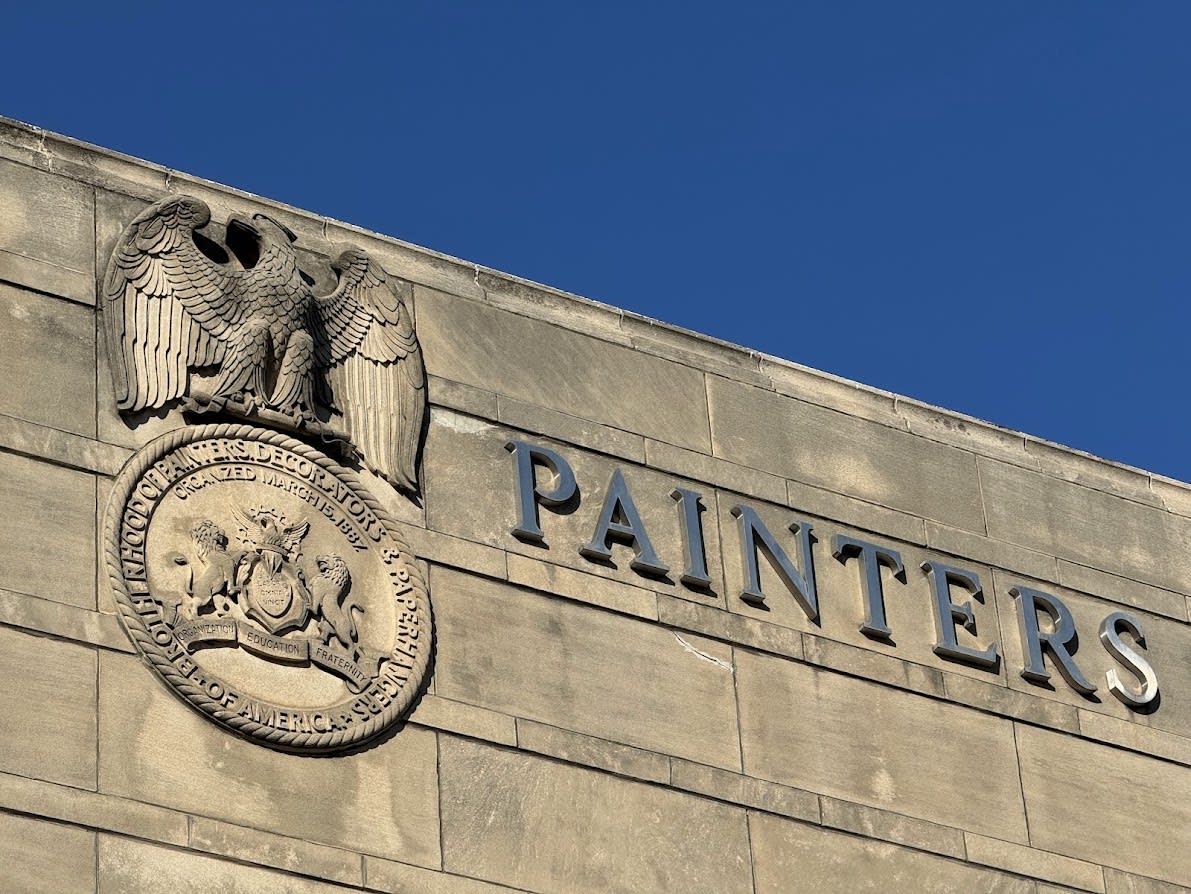
Some of these union halls were purpose-built, including the Painters District Council #14 at 1456 W. Adams Street and the Workers United Hall at 333 S. Ashland Avenue. Others occupy existing buildings with rich histories that were adapted and reused, such as the Fraternal Order of Police Chicago Lodge No. 7 at 1412 W. Washington Boulevard, which was originally the R. C. Wieboldt & Co. Office Building. The Chicago Federation of Labor Building at 600 W. Washington Boulevard is in the former West Chicago Street Railroad Cable Car Powerhouse. The United Electrical Workers Union was formerly at 37 S. Ashland Avenue, a building known for its massive mural “Solidarity” that they are trying to save and relocate to other buildings. Still others have been repurposed from union halls to other functions, such as the Amalgamated Meat Cutters and Butcher Workmen of North America Building at 2800 N. Sheridan Road, which was rehabilitated as the Stone Medical Center of St. Joseph Hospital. These union buildings are distinguished by their varied
Resource Inventory
Painters District Council #14
Address: 1456 W. Adams Street
Built Year: 1956
Architect: Vitzthum & Burns
Workers United Hall (formerly Chicago Joint Board, Amalgamated Clothing Workers of America headquarters)
Address: 333 S Ashland Avenue
Built Year: 1928
Architect: Walter W. Ahlschlager
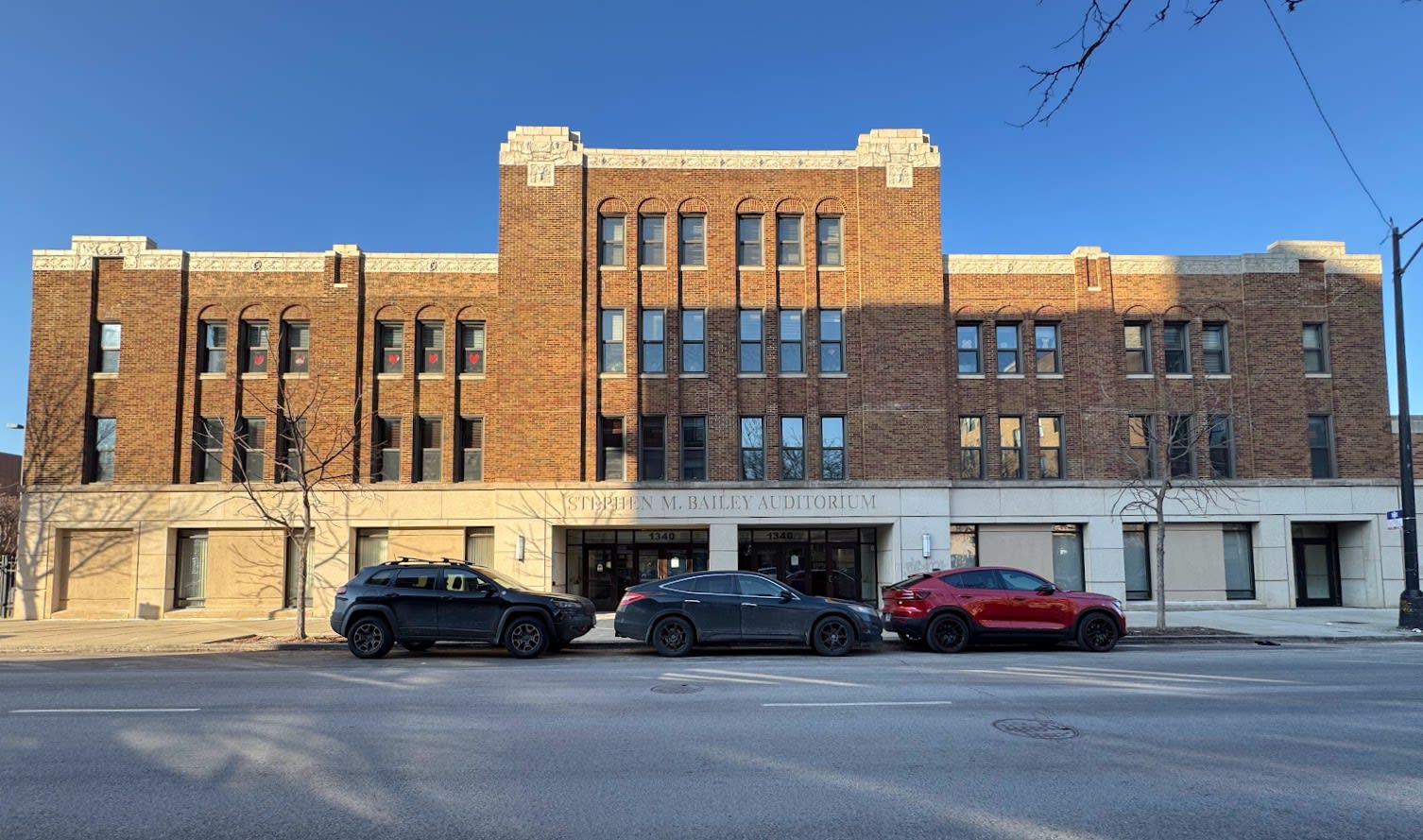
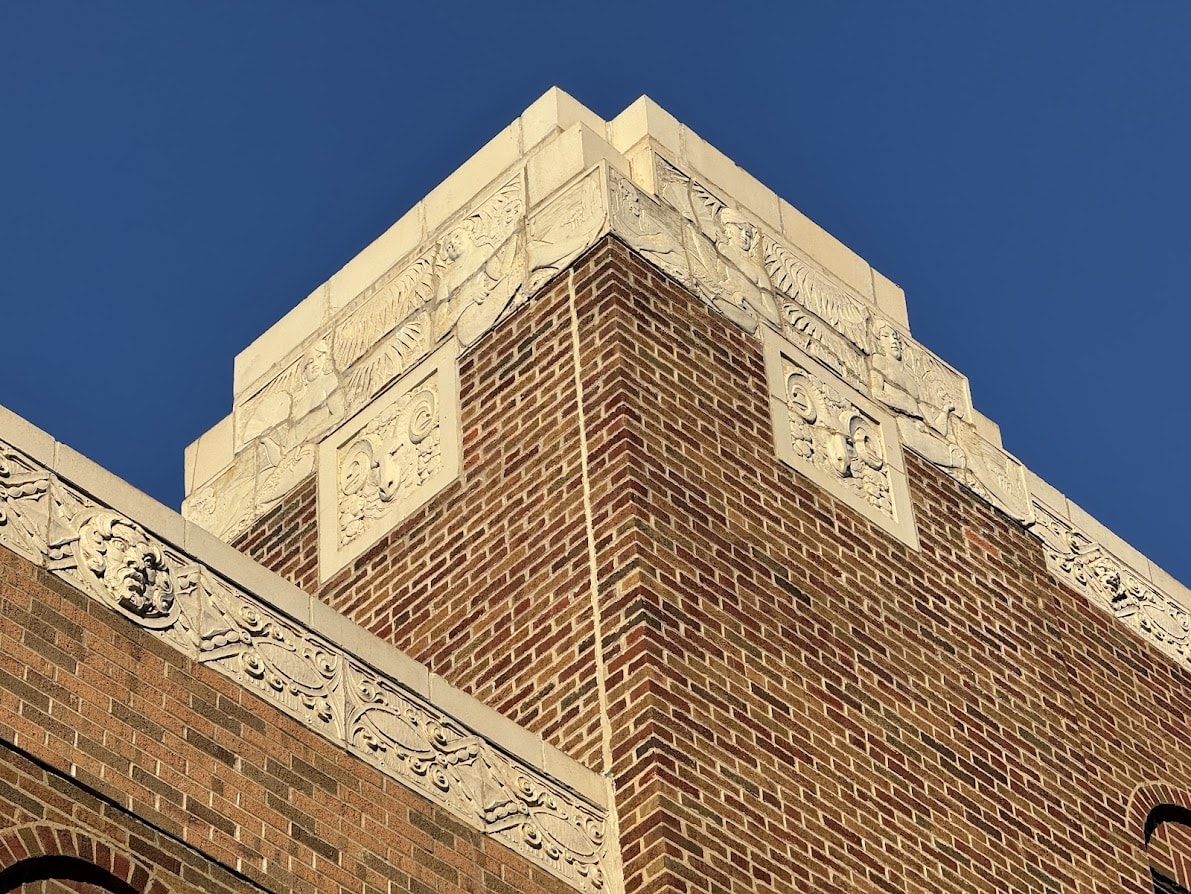
Chicago Plumbers Union Hall
Address: 1340 W. Washington Boulevard
Built Year: 1925
Architect: James Fletcher Denson (1865-1927)

Fraternal Order of Police Chicago Lodge No. 7 (formerly Wieboldt Office Building)
Address: 1412 W. Washington Boulevard
Built Year: 1928
Architect: Worthman & Steinbach
Chicago Federation of Labor Building (former LaSalle Street Cable Car Powerhouse)
Address: 600 W. Washington Boulevard
Built Year: 1888, originally built; 1927-1928, adaptive reuse
Architect: Unknown
Teamsters Local 705 Auditorium (Truck Drivers Union, originally “Temple Hall”)
Address: 326-336 S. Marshfield Avenue
Built Year: 1925-1926
Architect: Unknown
Teamster City
Address: 300 S. Ashland Avenue
Built Year: 1970
Architect: Will Jonson-Swope & Associates
Former Teamsters 710 Union Hall
Address: 4217 S. Halsted Street
Built Year: 1956
Architect: Unknown
Amalgamated Meat Cutters and Butcher Workmen of North America Building
Address: 2800 N. Sheridan Road
Built Year: 1951
Architect: Everett F. Quinn & Associates (original building); Loebl Schlossman & Hackl (rehabilitation)
United Electrical Workers Union
Address: 37 S. Ashland Avenue
Built Year: 1904
Architect: Benjamin H. Marshall
Pipefitters Local 597
Address: 45 N. Ogden Ave
Built Year: late 1950s-early 1960s (c.1961)
Architect: Unknown
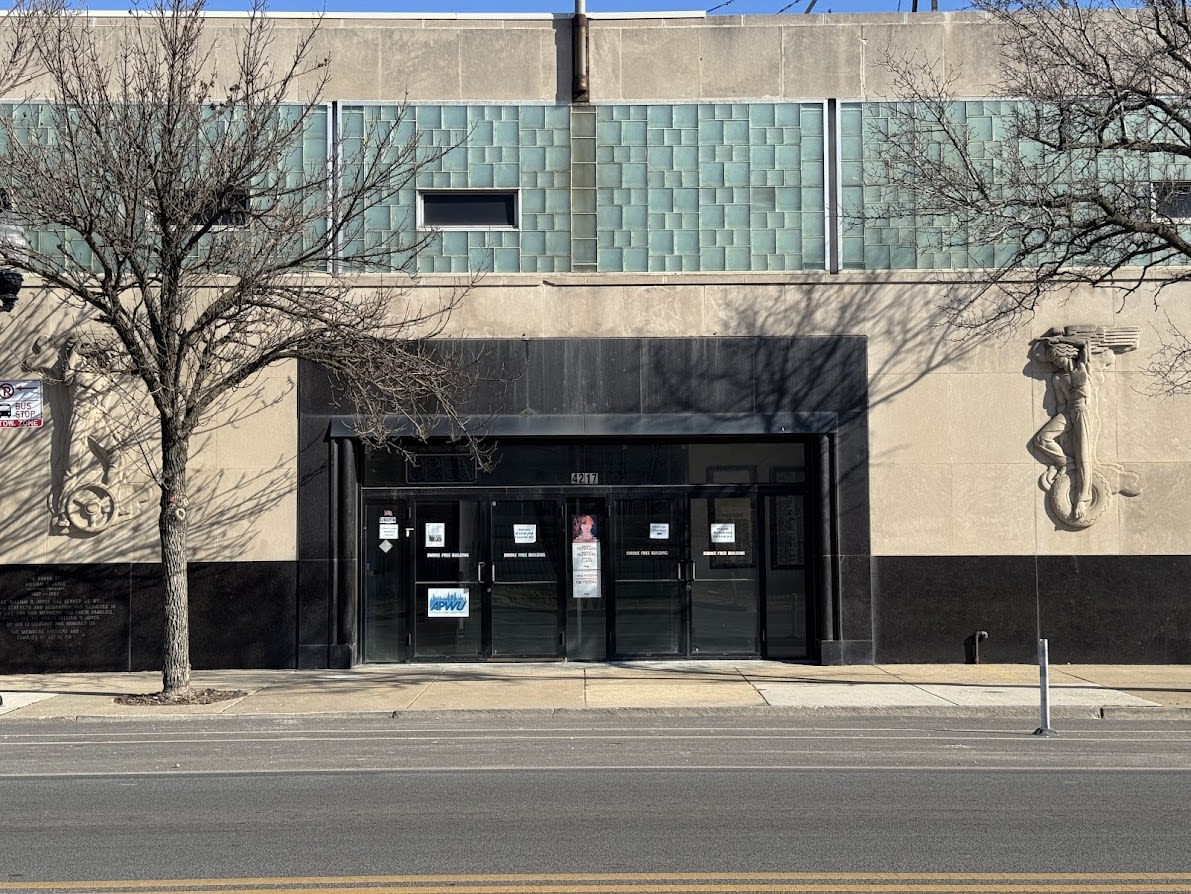
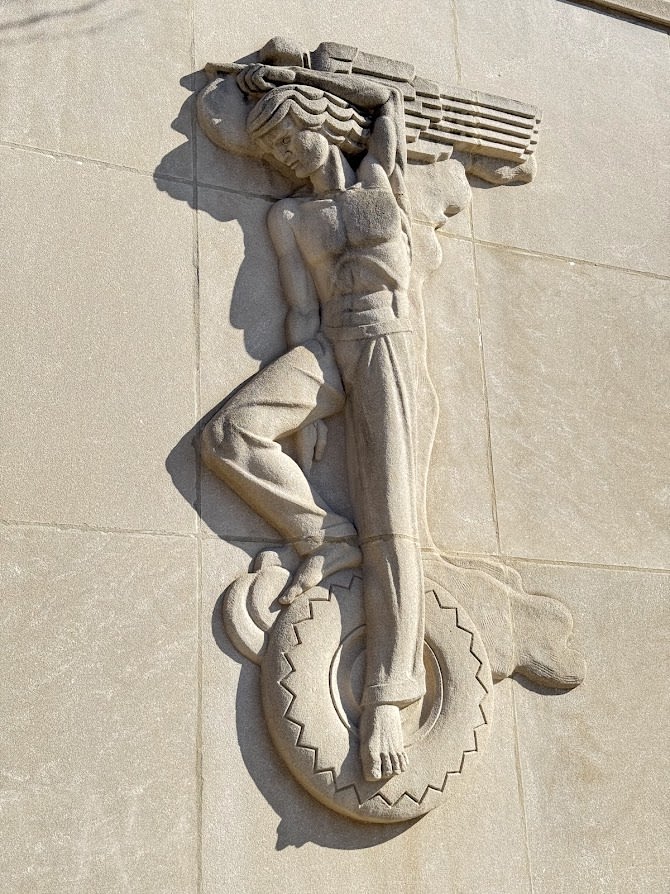
American Postal Workers Union Hall (Former Teamsters Local 710 Union Hall)
Address: 4217 S. Halsted Street
Built Year: 1955
Architect: Mark D. Kalischer
United Auto Workers Local 3212 (Former United Steelworkers Local 1033 Hall)
Address: 11731 S. Avenue O
Built Year: 1968-1969
Architect: Unknown
Threats
Preservation Chicago has been aware of several Union Labor Halls which are in need of repairs, have been listed for sale in recent years, and others that are facing potential demolition threats. As Chicago is recognized for its Unions over time and perhaps America’s Labor City, we are very concerned about the future of these buildings.
Recently, there was a plan for a replacement building for the site of the Amalgamated Meat Cutters and Butcher Workmen of North America Building, at 2800 N. Sheridan Road at Diversey. This is a wonderful building which most recently had been repurposed as a medical building associated with nearby St. Joseph Hospital.
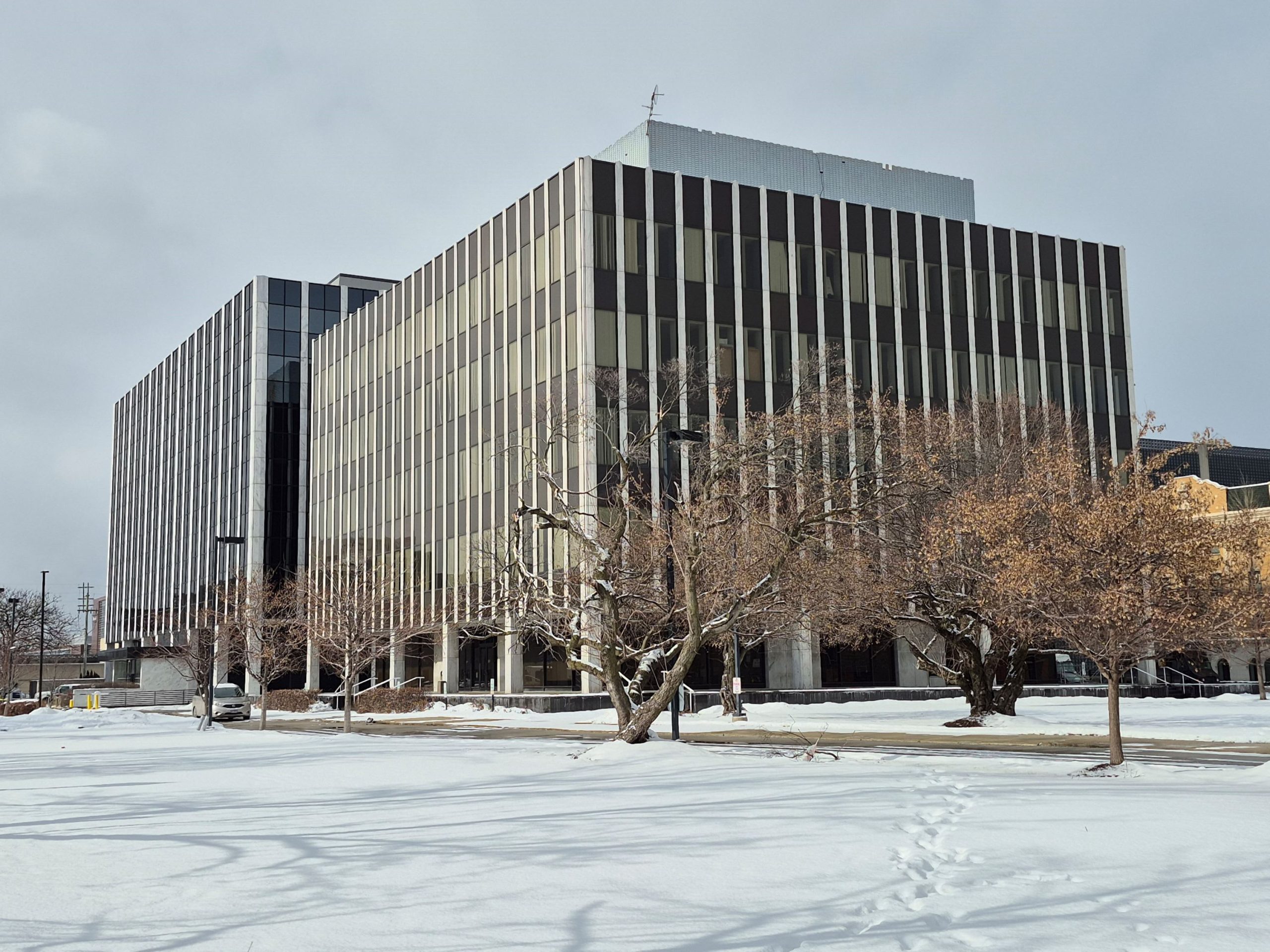
As the medical center appears to have reached a conclusion at the site, a new residential building is to replace it. This is a bit of a tragedy, as a vacant site located directly to the north of the Amalgamated Building could be the site of the new proposed residential building, and perhaps the developer could engage the former Union Building and connect it to the new structure. This would retail the curvilinear building and the two bronze brotherhood statues at this gateway to Lincoln Park and the Lake View Community to the north.
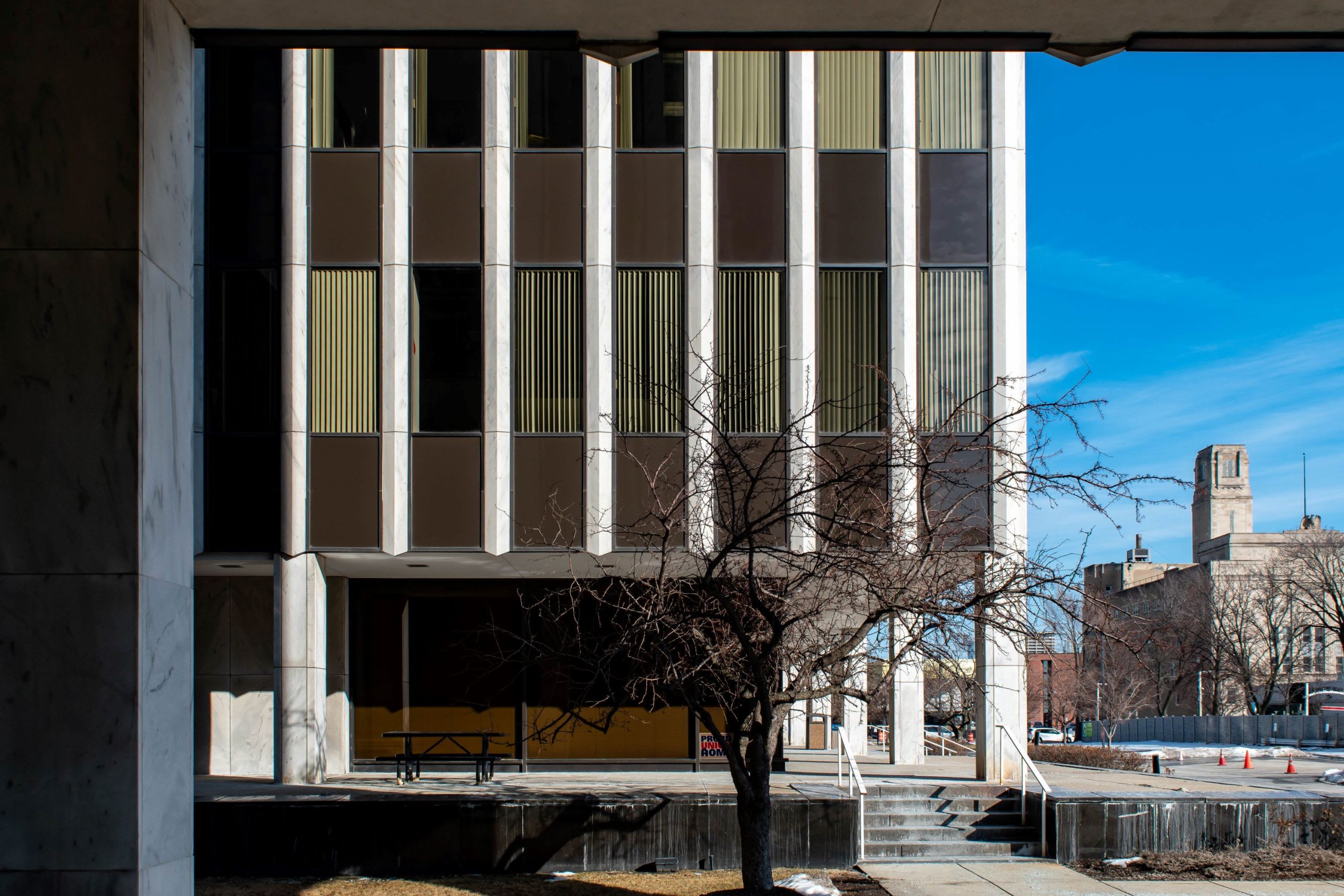
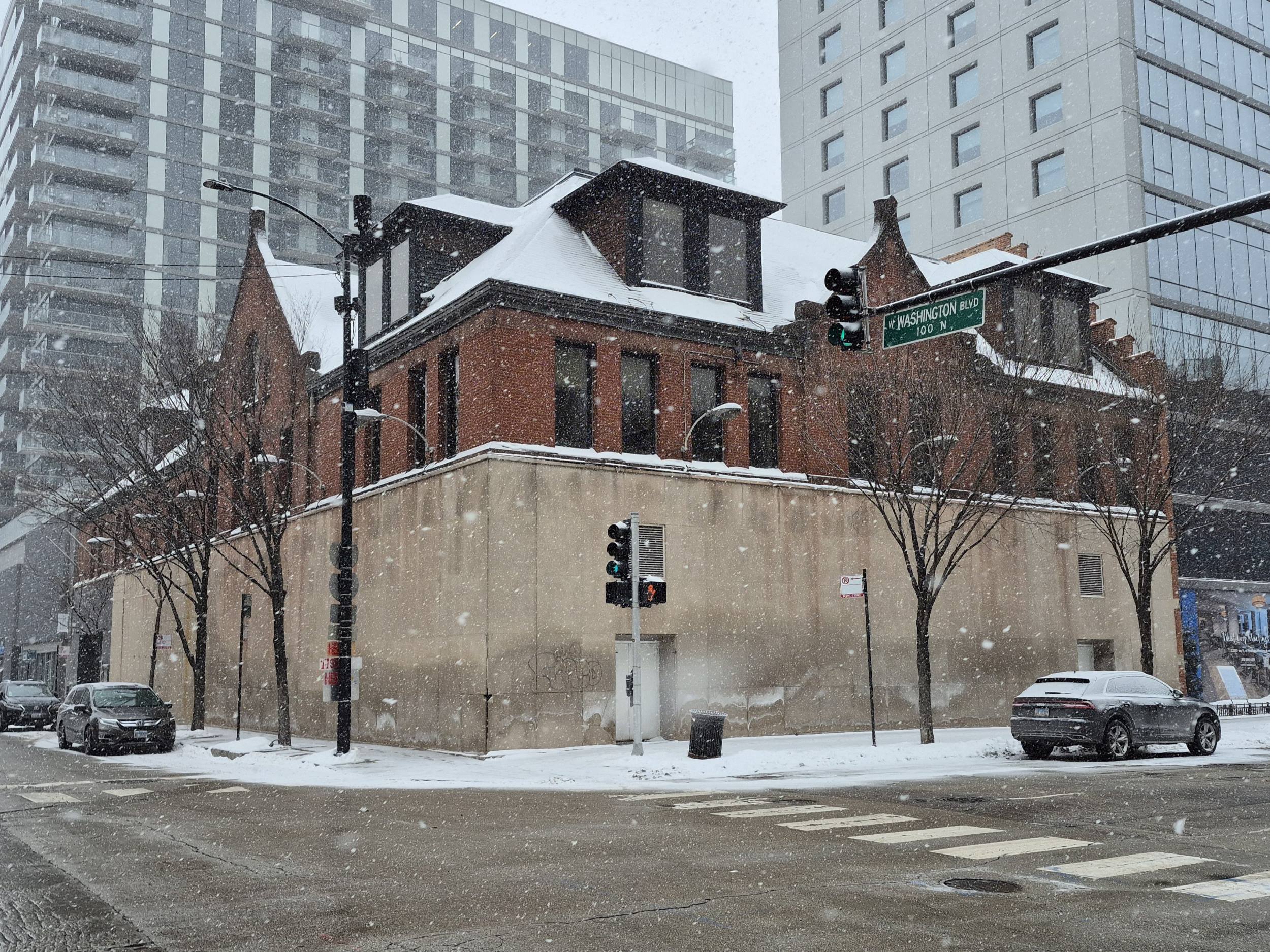
The United Electrical Workers Union Building at 37 S. Ashland was recently sold and repurposed as a residential building. However, the historic murals within the building were threatened with loss. Fortunately, organizations came together to rescue and remove them for reinstallation elsewhere in the city, and an addition was added to the top of the building.
Recommendations
Realizing the need to share the Labor Union History and preserve many of these wonderful buildings, we need to consider protections for these structures and perhaps a Chicago Landmark designation of many of these structures as part of a thematic Chicago Landmark District, across the city. Such districts already exist in Chicago, with two examples being the Neighborhood Banks District and groupings of former Schlitz Brewery Tied Houses.